AI Cybersecurity Application
End-to-end design of an AI cybersecurity application, from user research and requirements gathering to launch
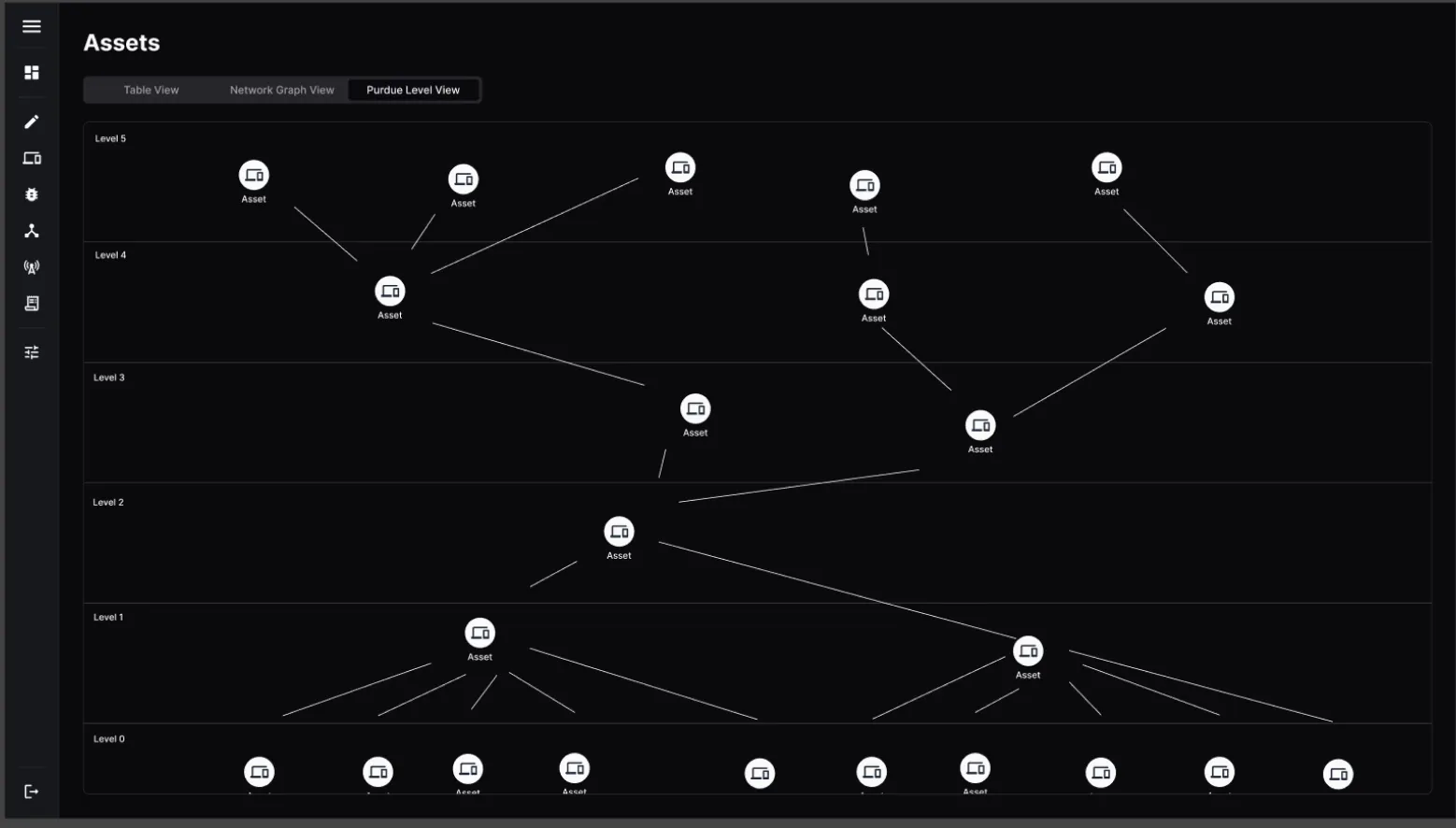
This was an in-house project aimed at securing OT (Operational Technology) infrastructure without touching real components.
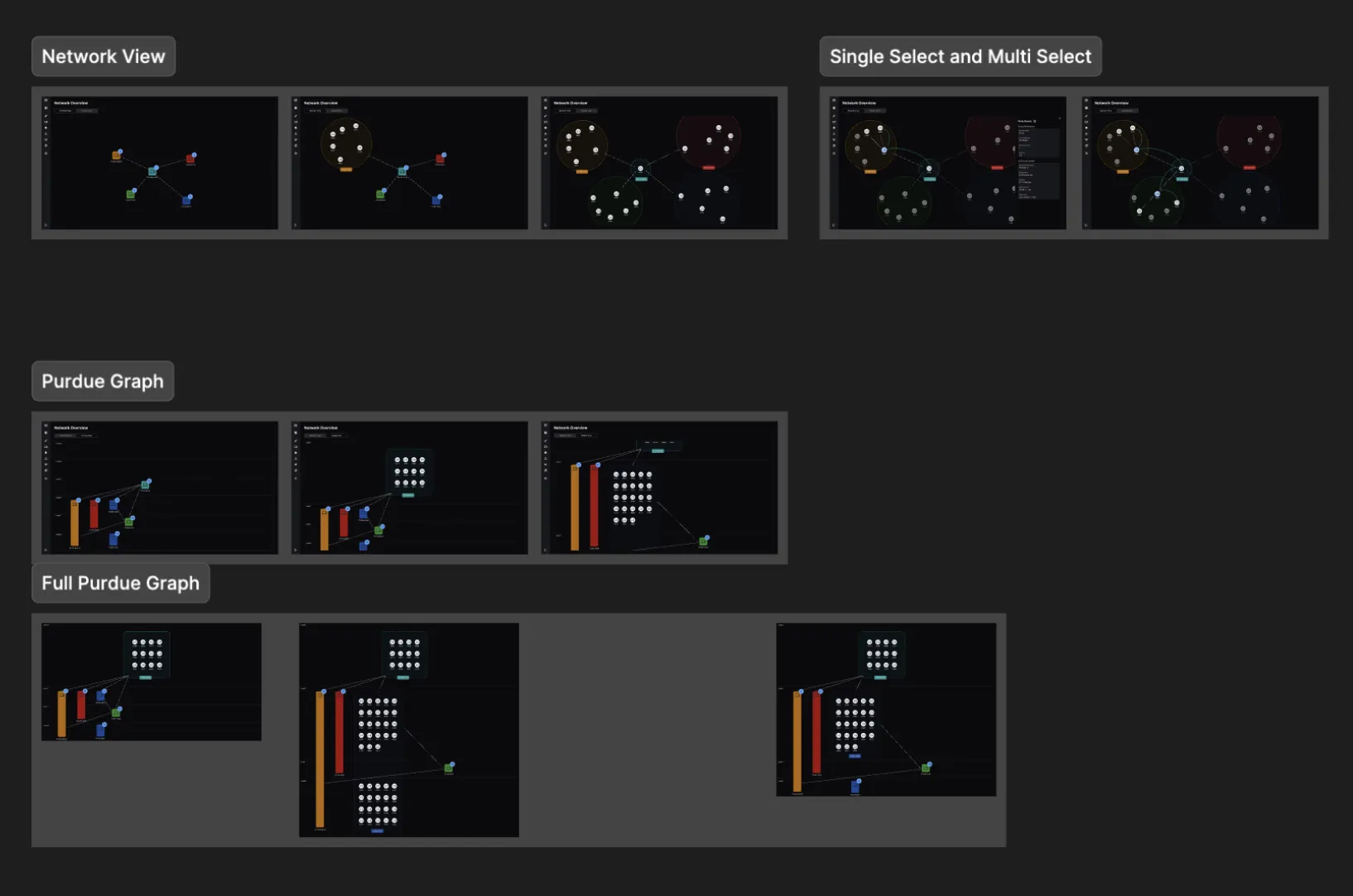
The core product simulates a virtual replica of a sensitive OT environment, allowing an AI agent to conduct penetration tests. Results are then visualized in a user-friendly 2D diagram, mapping the AI’s route to compromising crown jewels.
My role as a UI/UX designer spanned research, system design, prototyping, and user feedback collection from the earliest phases.
Problem Statement
In critical OT environments, traditional penetration testing methods are impractical due to the risk of service disruption. The challenge was to create a cybersecurity application that could simulate pen tests virtually—without affecting live infrastructure—while providing clear, actionable results to specialists accustomed to traditional workflows.
My Role
As the sole UI/UX designer, I joined the project in its early stages. My contributions included:
Co-developing product requirements with the project owner
Conducting interviews and field research with internal stakeholders and clients
Designing the user experience around the mental model of OT cybersecurity professionals
Introducing and leveraging a new design system for rapid iteration and coherence
Prototyping key interactions and visuals to align with technical feasibility
Research & Discovery
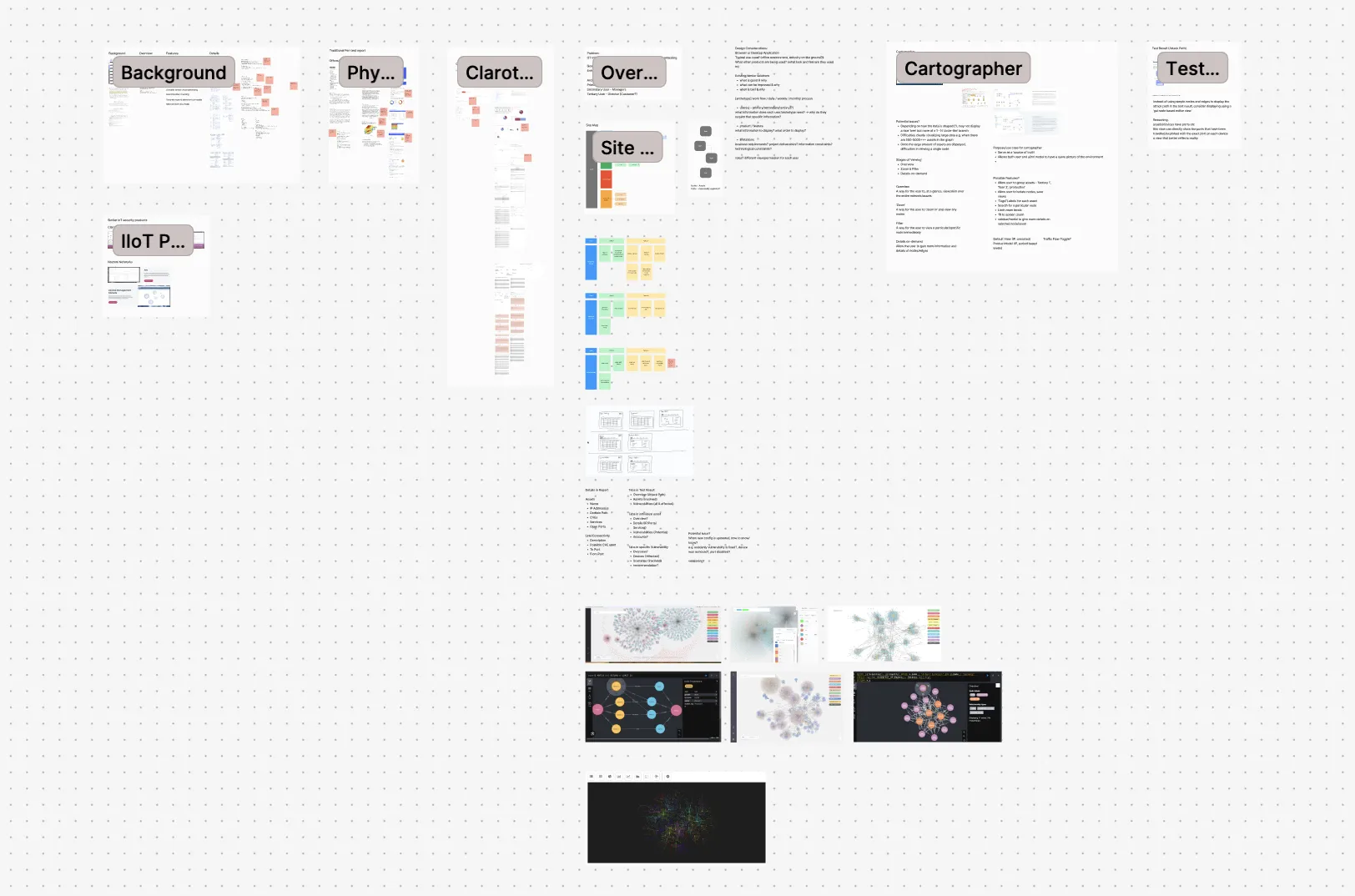
We began with a thorough exploration phase:
Stakeholder interviews: Multiple rounds with the project owner helped refine problem definitions and key use cases.
On-site observation: Presentations and feedback sessions with end users offered valuable insights into real-world constraints and expectations.
Mental model mapping: We discovered that OT cybersecurity teams think in terms of physical and logical infrastructure. This informed how we structured our UI around topological views and path tracing.
Shared discovery space: All insights, timelines, and requirements were documented and mapped in a FigJam board accessible to the entire team.
Design Strategy
Our UX direction was shaped by three core principles:
Respect the OT mental model: Designs mirrored the spatial and hierarchical structure users were already familiar with. (Network diagrams, Purdue Model)
Visual clarity of AI behavior: A diagram showing the AI’s penetration path allowed users to understand attack vectors at a glance.
Modular flexibility: Prototypes were built using a new design system I was rolling out across the company, enabling rapid and consistent iteration. Prototyping & Iteration
Prototyping & Iteration
We moved from low-fidelity wireframes to interactive prototypes, refining features such as:
Network mapping view: Clearly marked threat paths and critical assets (“crown jewels”)
Threat summaries: Condensed, actionable alerts tied to specific nodes in the network
Simulation control: A UI for initiating and interpreting the AI pen test runs
As constraints emerged (e.g., timeline pressures, backend limitations), I helped identify what features were mission-critical versus “nice to have.”
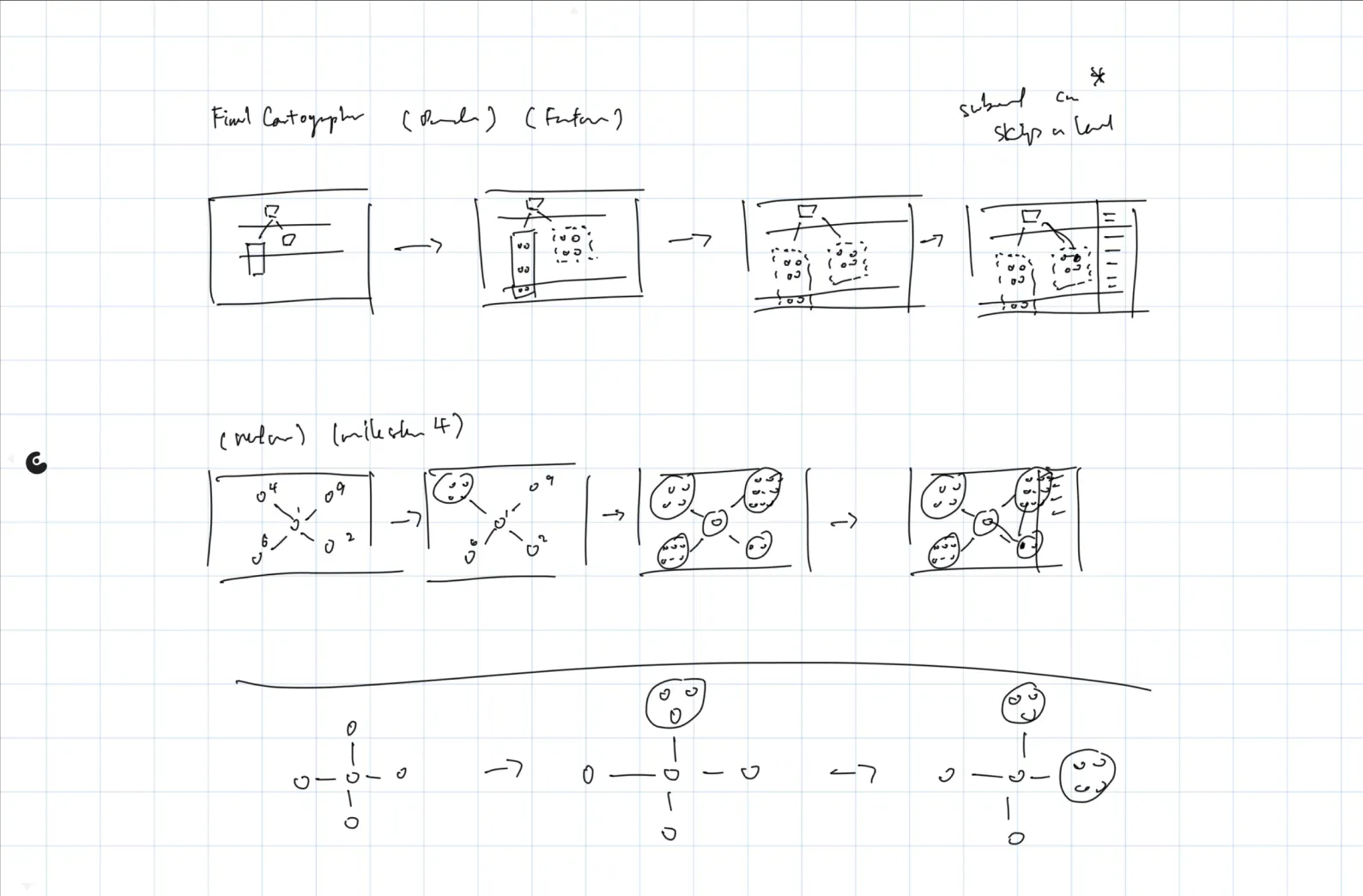 Some wireframe sketches
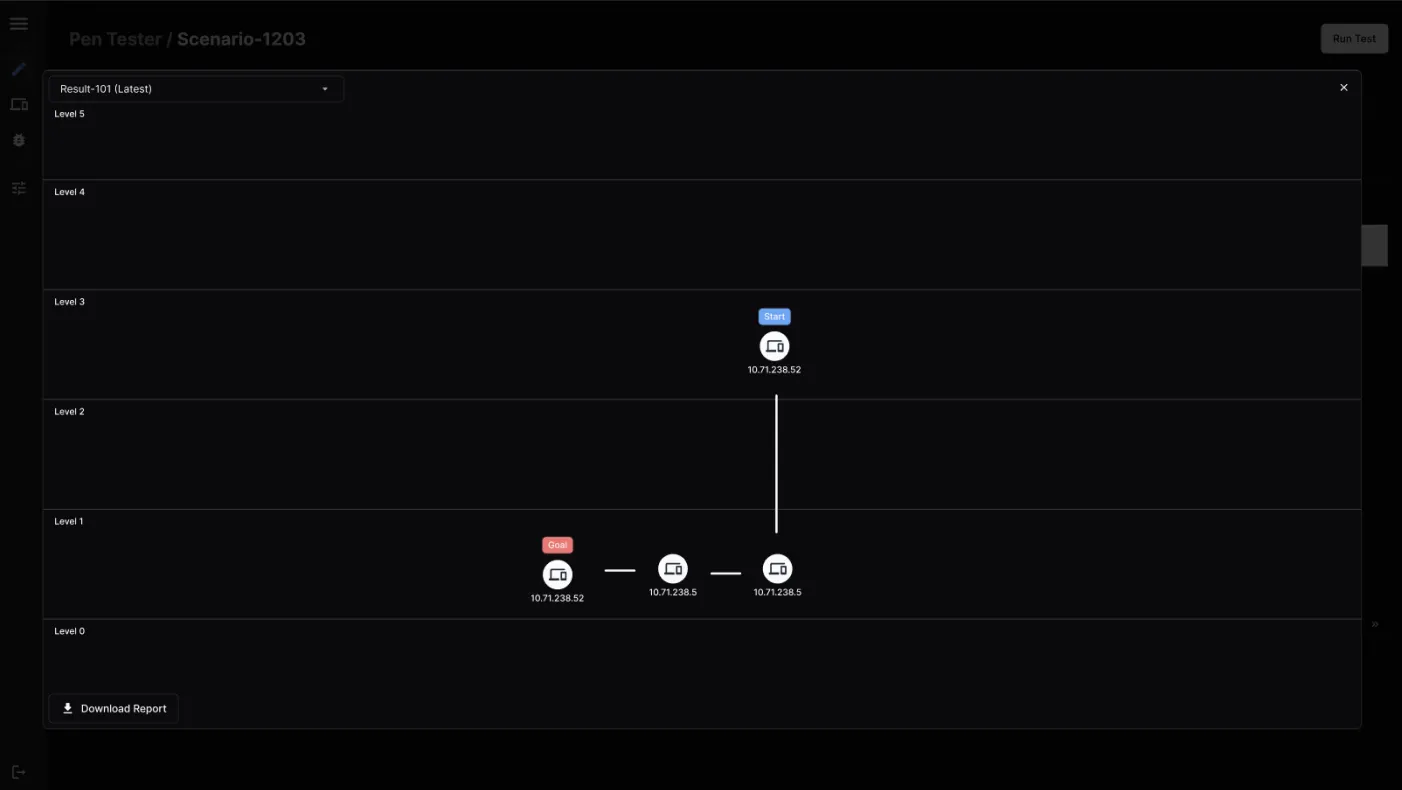 Results laid out in a purdue model, matching existing mental model.
User Feedback & Validation
By demoing the prototype to our client and receiving direct feedback:
We verified that our visual structure aligned with user expectations.
Minor adjustments were made based on environmental cues and workflow habits observed on-site.
This feedback loop helped refine how we represented the AI’s logic in an intuitive way.
Outcome
The project advanced into development with strong alignment between stakeholders, a validated UX foundation, and a scalable design system in place. The feedback from internal and external users affirmed the usability and clarity of the interface. The groundwork laid also accelerated development and decision-making during implementation.
Reflections / Lessons Learned
Starting early allowed UX to be deeply embedded in the product’s direction
Designing with users’ mental models in mind drastically improves usability for novel tech
Even with cutting-edge AI, clarity and interpretability for the end user is paramount
Close collaboration with stakeholders and a structured design process pays off